
HOTEL GARDEN SPACE, MARYLEBONE
C A S E S T U D Y
Design Brief
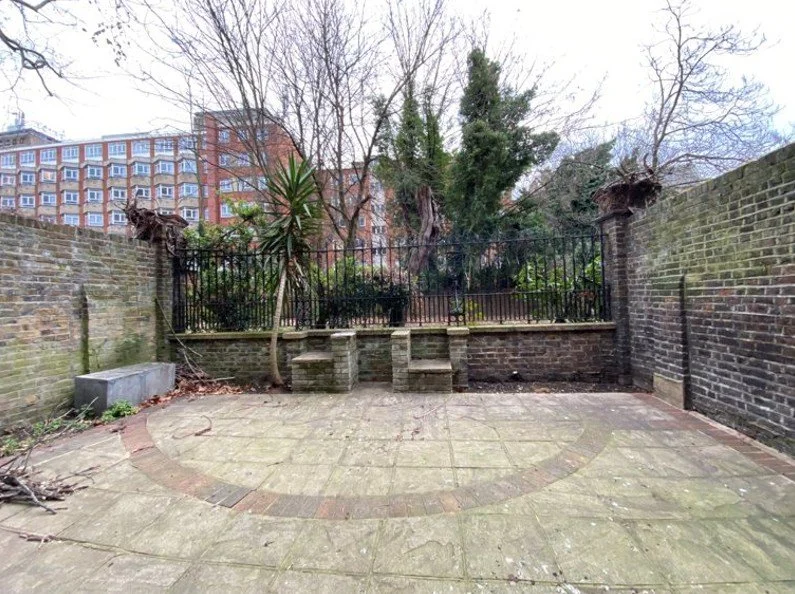
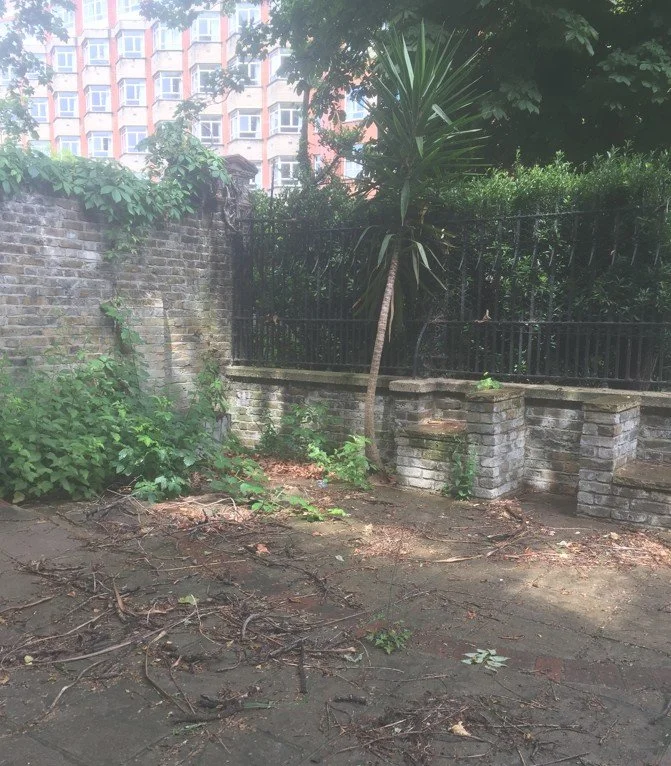
The gardens of this former hotel comprise of three small courtyard spaces, with the gardens of No's 5 and 6 connected by an archway.
The current landscaping scheme is a legacy of the 1970s, desperately in need of an update, and our role was to re-interpret these unique spaces with a modern, cohesive garden design.
The site lies within a conservation area, therefore landscaping proposals need to carefully consider the context of the building within that setting as well as the building's listed status.
Landscape Masterplan
The existing hard landscaping materials are not suited to the period, and so removal of the concrete slab paving is proposed replacing with reclaimed York Stone; more appropriate to the period and context of the setting.
Reclaimed stone will be weathered and aged, creating the illusion that the landscape has always been there and offering a lower carbon footprint in sourcing than newly quarried materials.
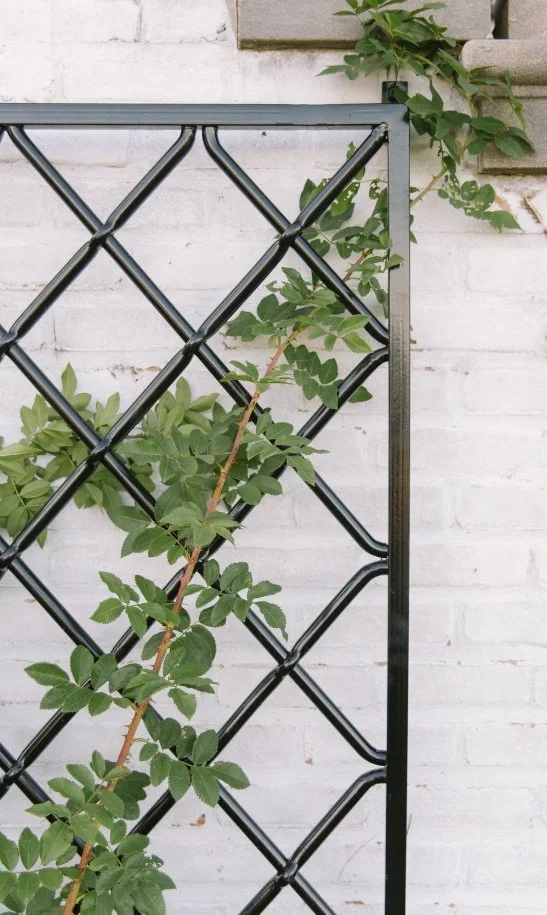
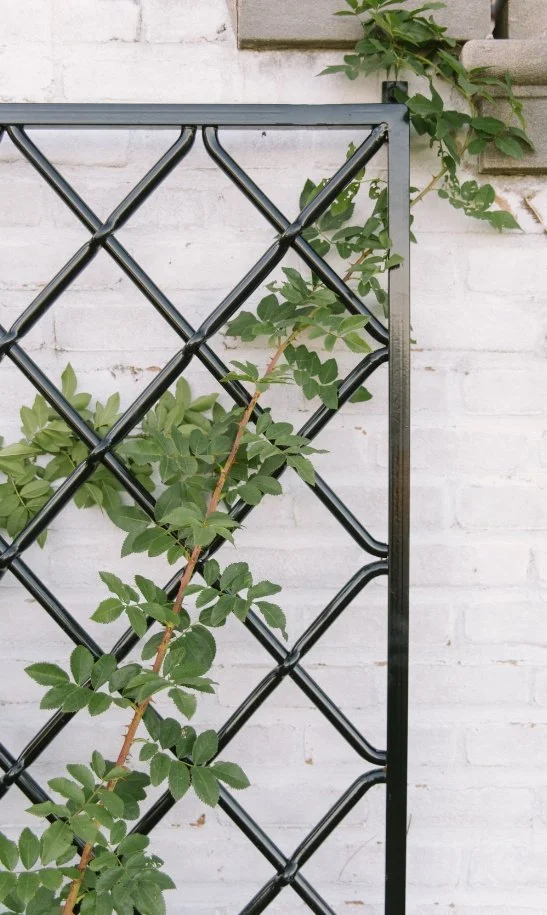
Zinc planters, lush planting and climbing plants will create height to balance and break up the hard landscaping. Black metal trellises will support climbing plants and reflect the original ironwork on the boundary, allowing the new landscaping to fit alongside the period features of the Georgian gardens.
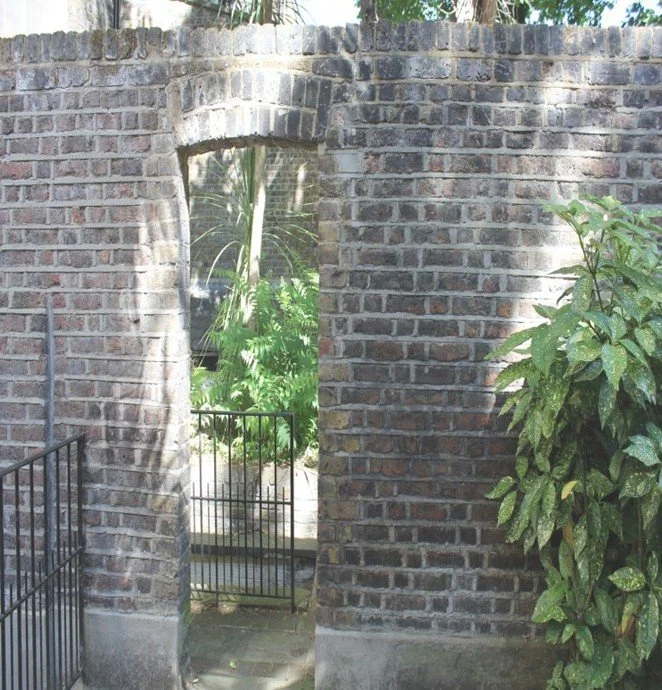
To restore the space to hotel use, and to make full use of the spaces, a new connection is required between gardens 4 and 5. This will help to ensure flow and movement through all the gardens, and open up use of garden 4.
To keep that sense of continuity, existing bricks within the landscape will be re-used to support construction of the new archway. All archways will be lined up, to create views through the garden spaces. The site is screened by neighbouring gardens and tall buildings.
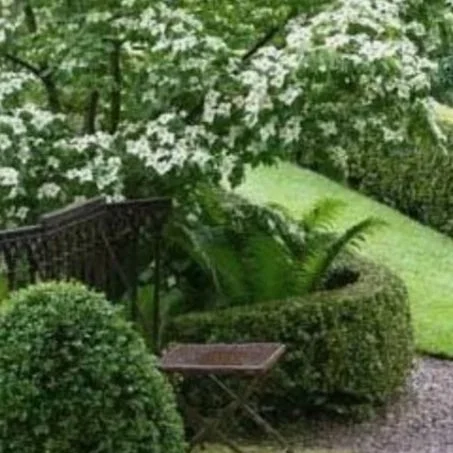
Planting was carefully chosen to suit the shady, sheltered site with a focus on low-maintenance, elegant and formal planting. Tree species were carefully chosen to reflect the style of the period and to ensure that light to windows would not be blocked when the trees mature.
Other than size, tree species were chosen to mark the seasons with scented leaves and bright flowers. As the garden receives some afternoon sun, trees were chosen with a preference for autumn colour so that their spectacular foliage can be appreciated from the conservatory.
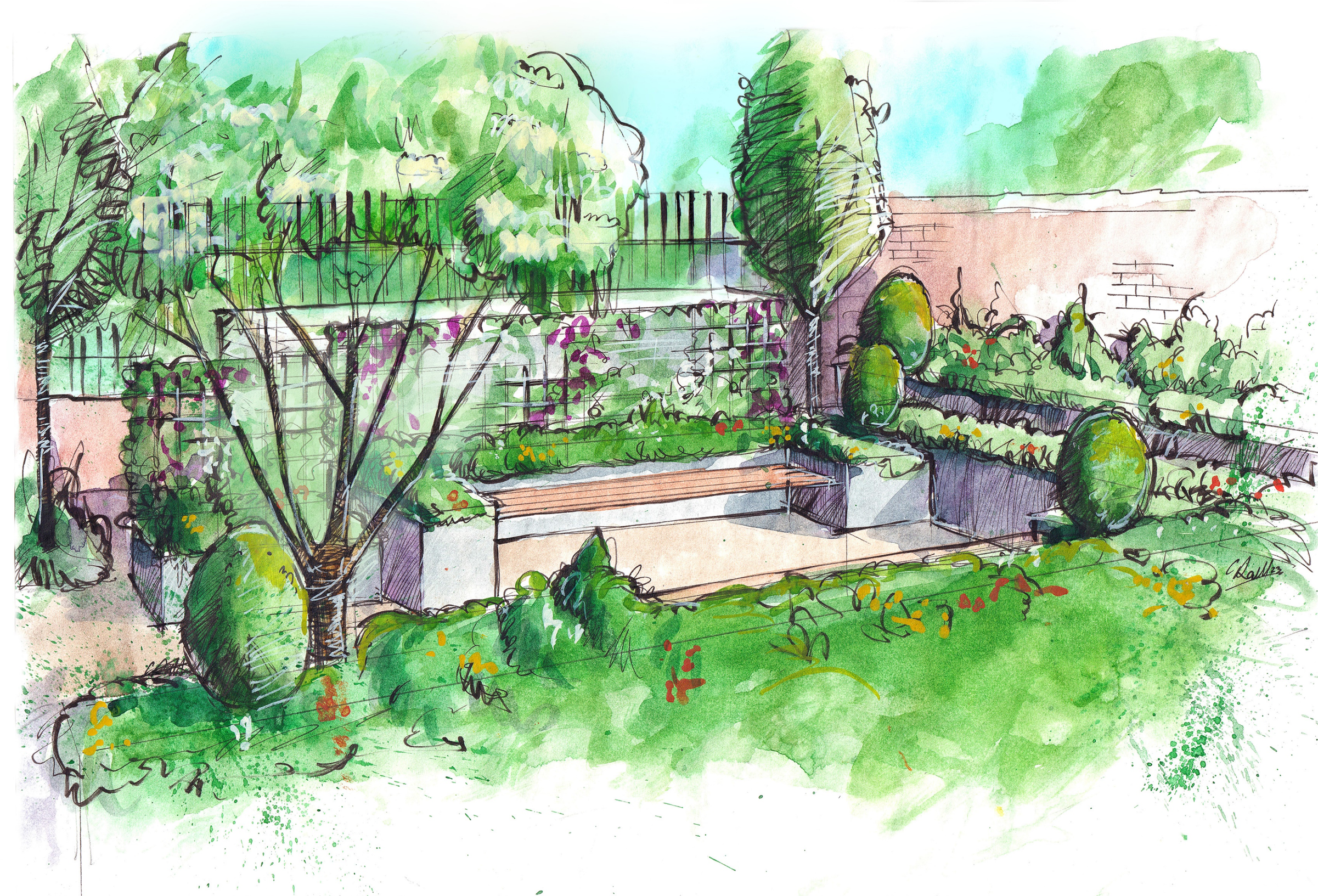
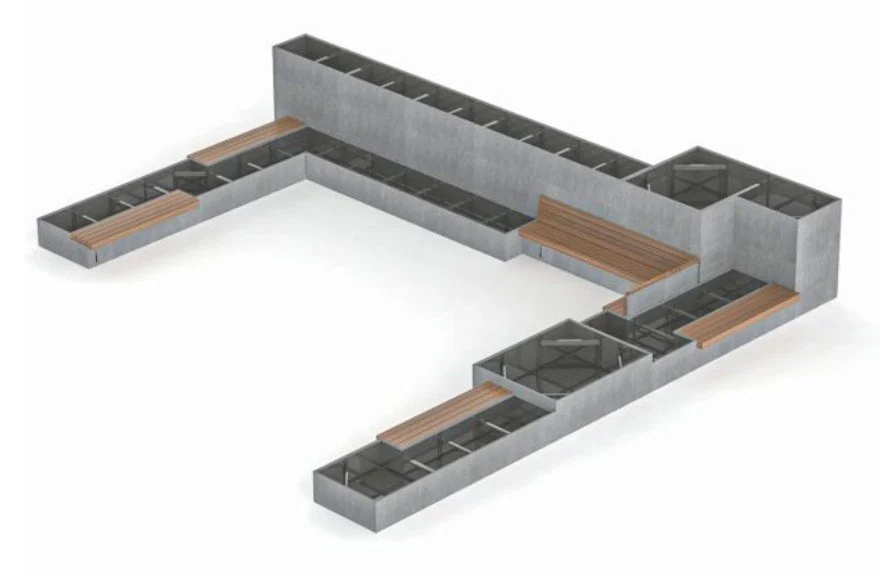
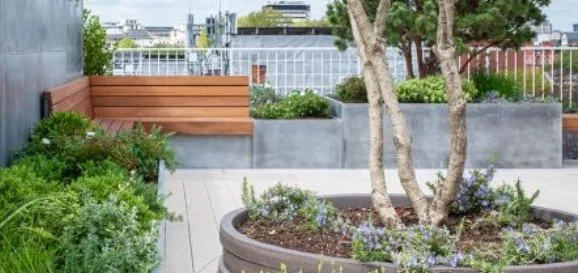
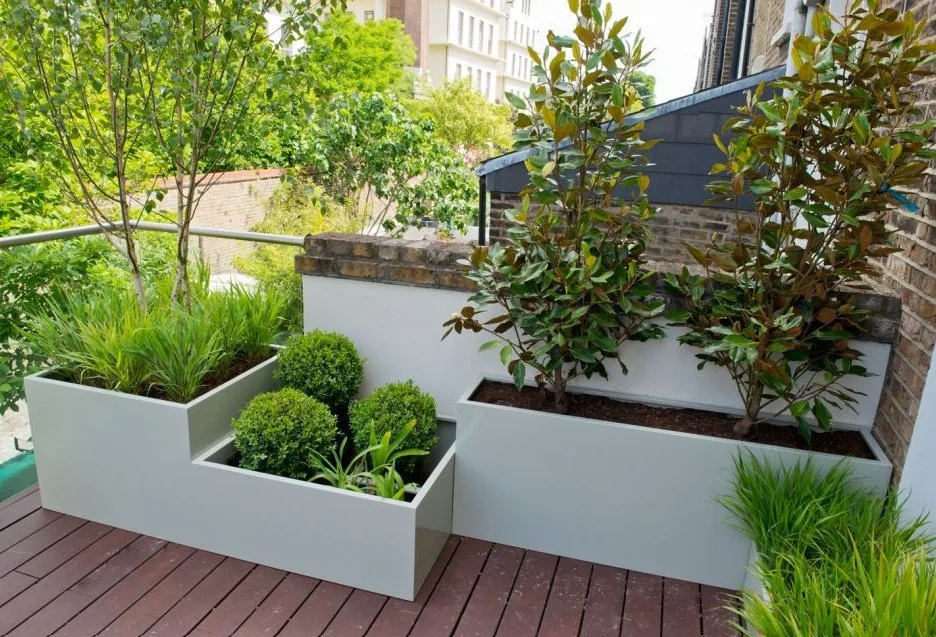
The garden will be framed by multi-level zinc planters. By using natural materials like zinc, the colour of the planters will develop over time, and this unique patina will help the modern, contemporary feature blend with the period architecture.
The changing heights of planters will help give the neighboring garden more privacy and metal trellises set in the back of the planters will screen views of the rear boundary.
The changing heights also make the inset bench seating feel more secluded and intimate, with wrap around planting.
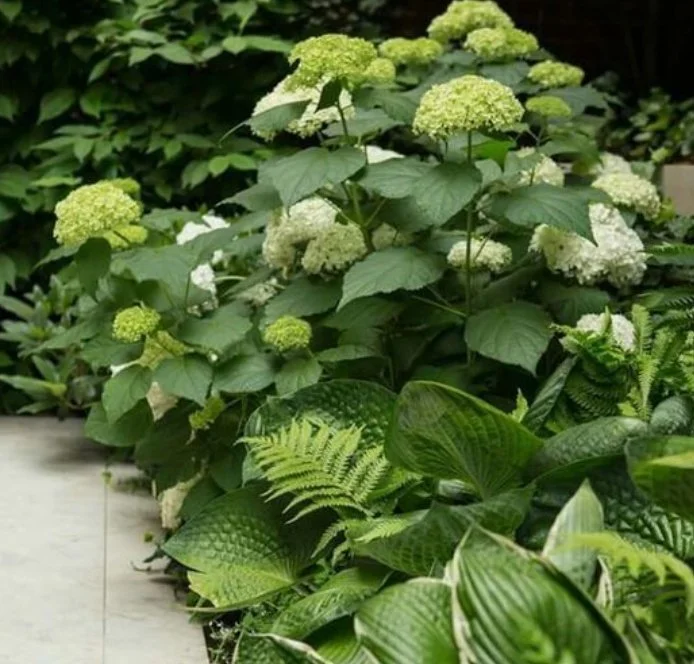
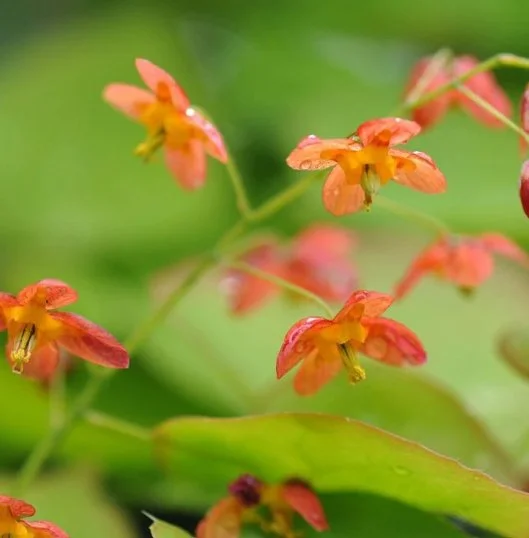
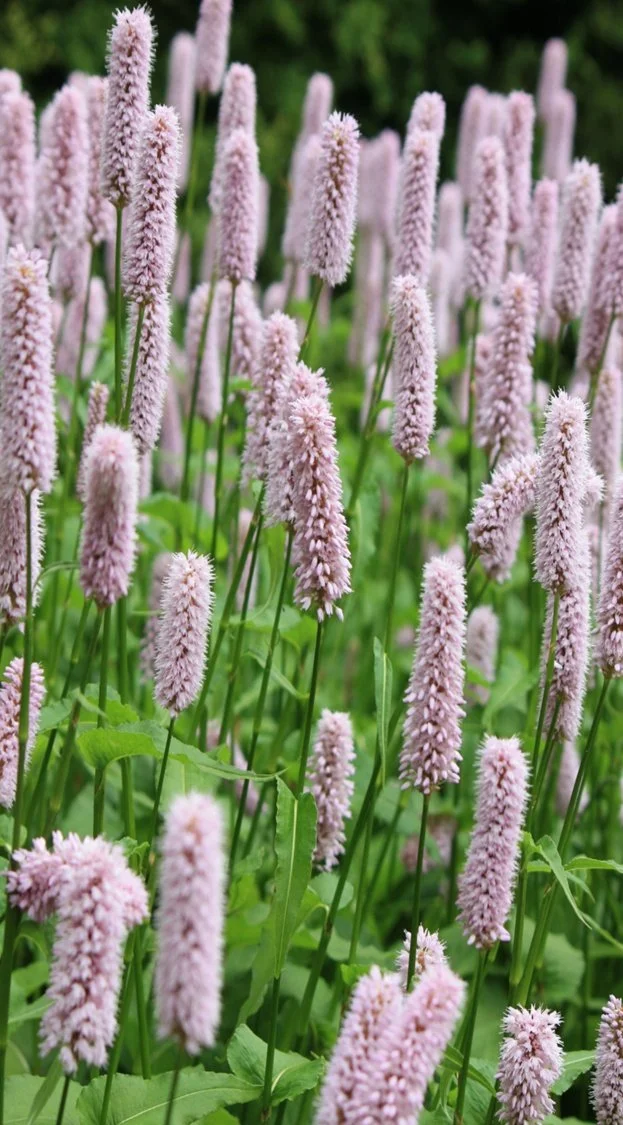
Planting has a formal base matrix, with hot coloured flowering perennials marking the change of the seasons and providing benefit for pollinating insects.
Topiary and evergreen ferns within the planters gives structure to the planting scheme during winter, and help replicate a strong sense of geometry.
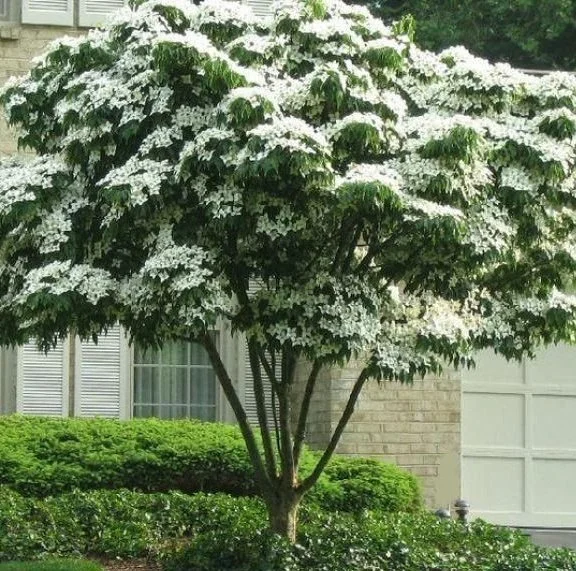
Tree planting within garden 4 opts for highly ornamental species such as
Cornus controversa and Cercis siliquastrum, supported by the scented leaves and spectacular autumn colour of Betula lenta.


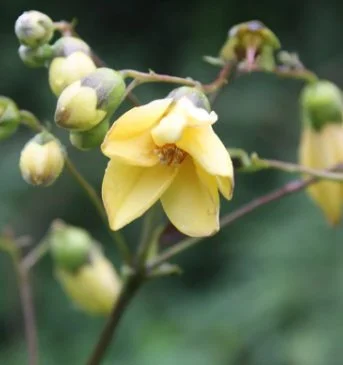

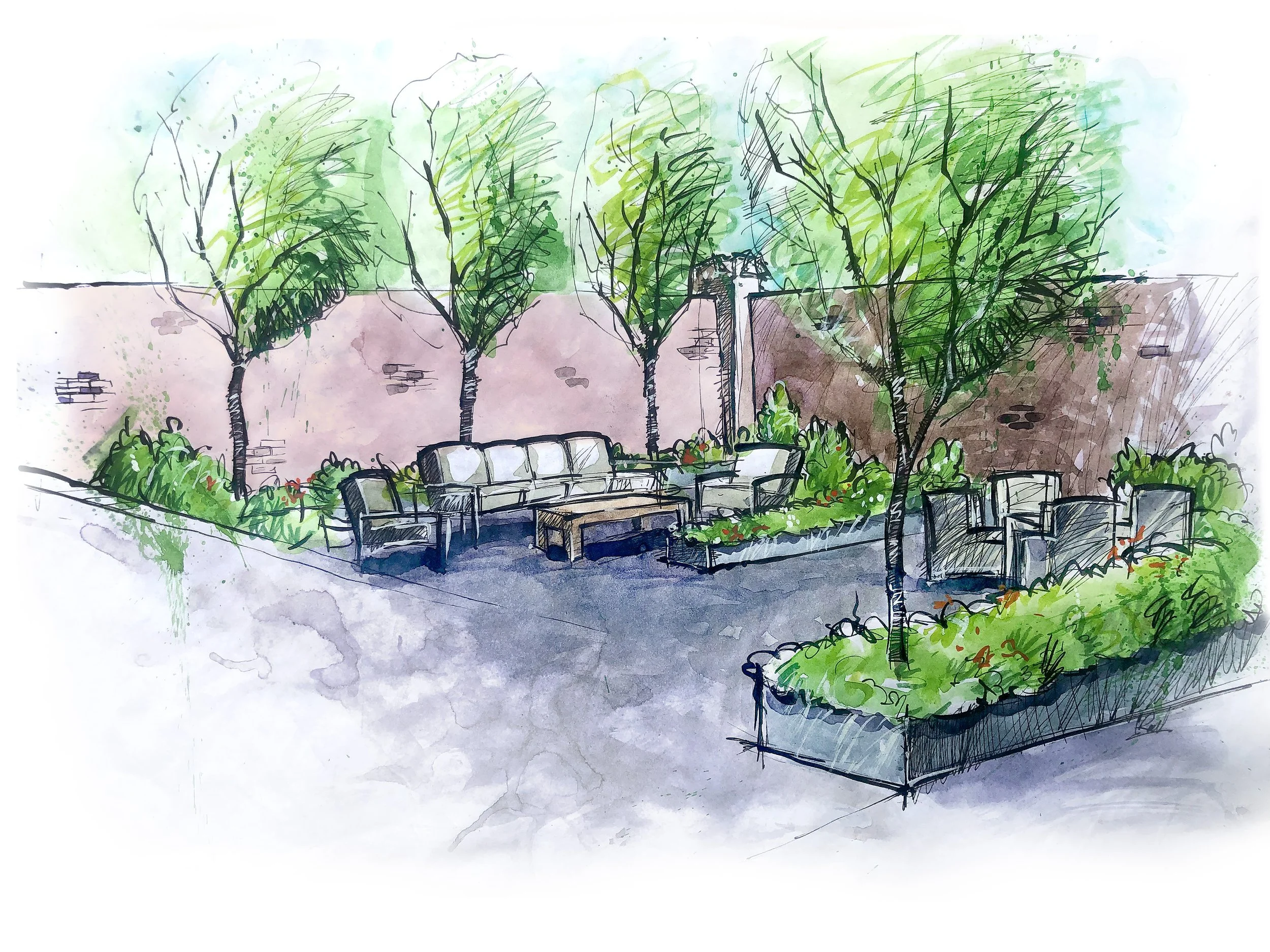
Landscaping materials are replicated to provide a sense of unity, but the arrangement and planter height in garden 5 is more relaxed, with seating separated by low level planting and terracotta pots.
Clipped topiary edging follows low-level shrub and fern planting along the lightwell boundary, leading the eye to the stairwell and replicating the shapes of the planters in garden 4, offering subtle hints to the formality of the adjacent garden but clearly marking this space with its own relaxed character.
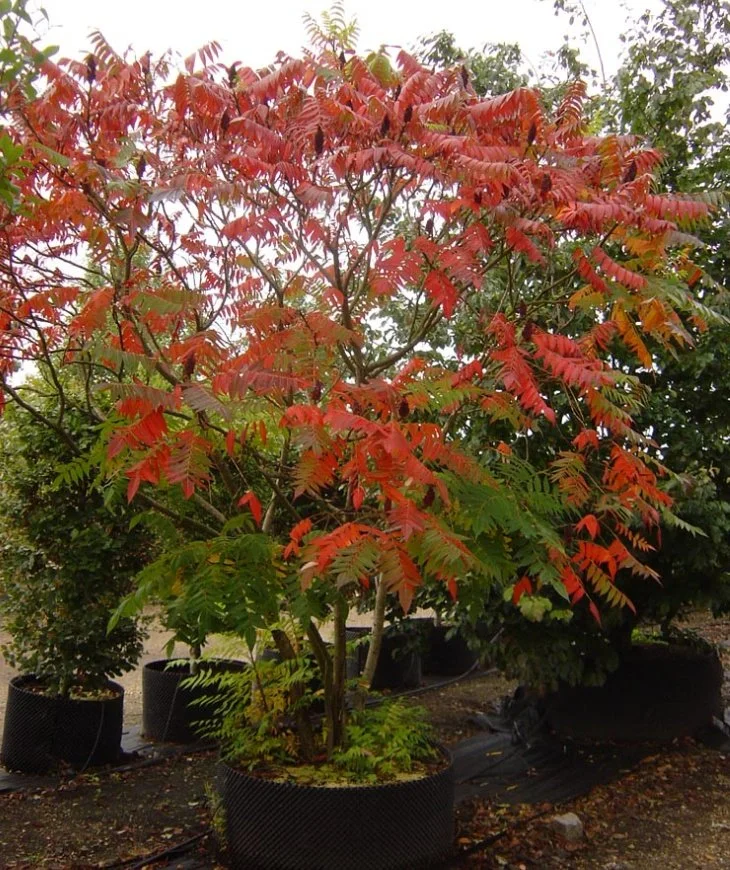
The butter-yellow autumn display of Betula lenta along the boundary is completed with vibrant reds of the Rhus, giving spectacular seasonal views from the conservatory.
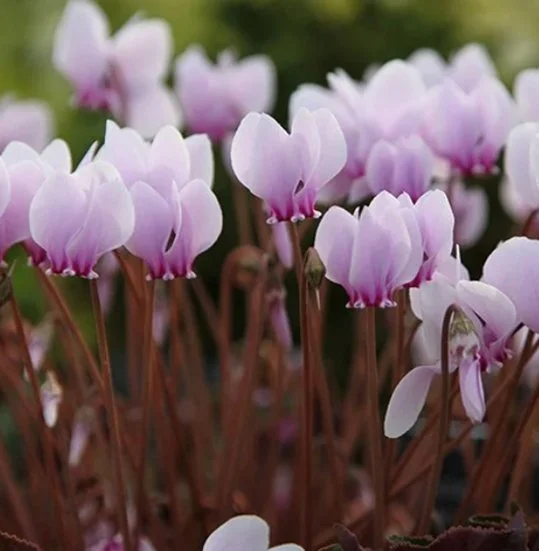
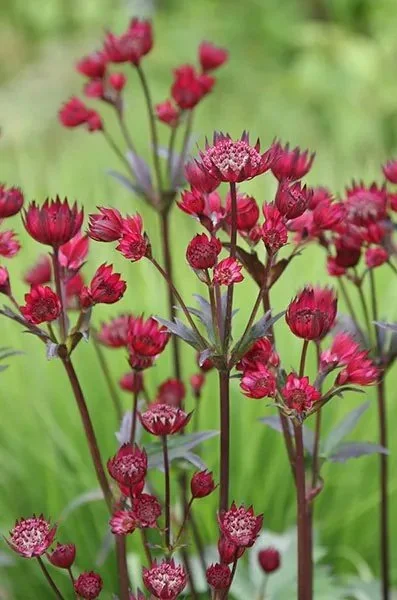
Perennial planting punctuate the changing seasons with pinks, purples and more regular use of flowers meandering through the borders add to the sense of peace and relaxed privacy.
The same base matrix of plants features within all three gardens to give texture, rhythm and form, but in garden 5 planting is more naturalistic and its ornamental beauty is softer and less formal.
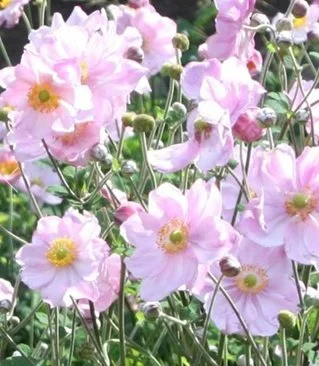
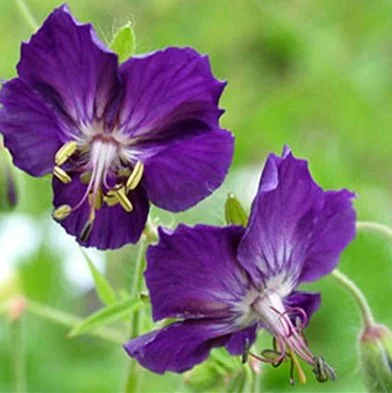
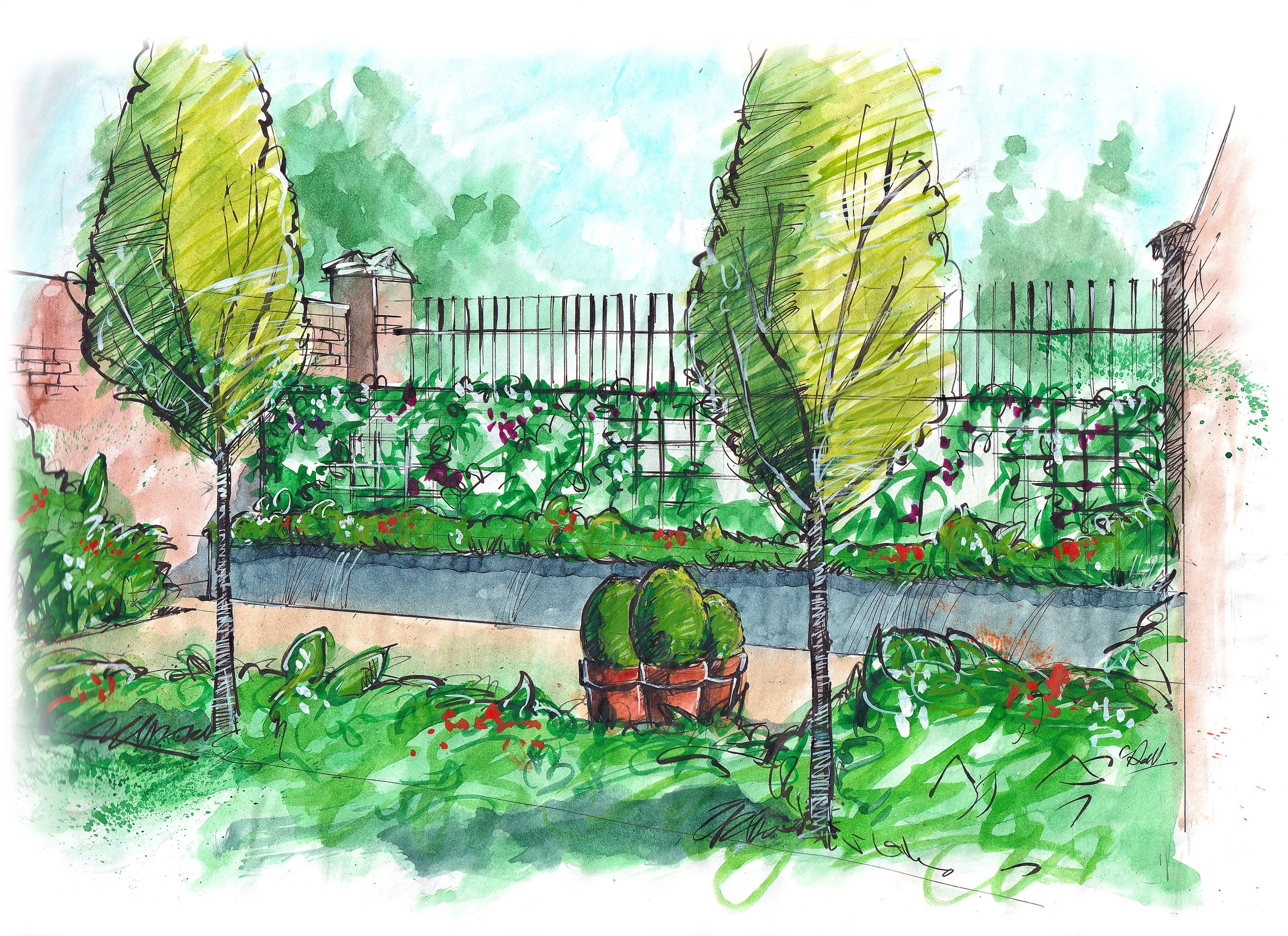
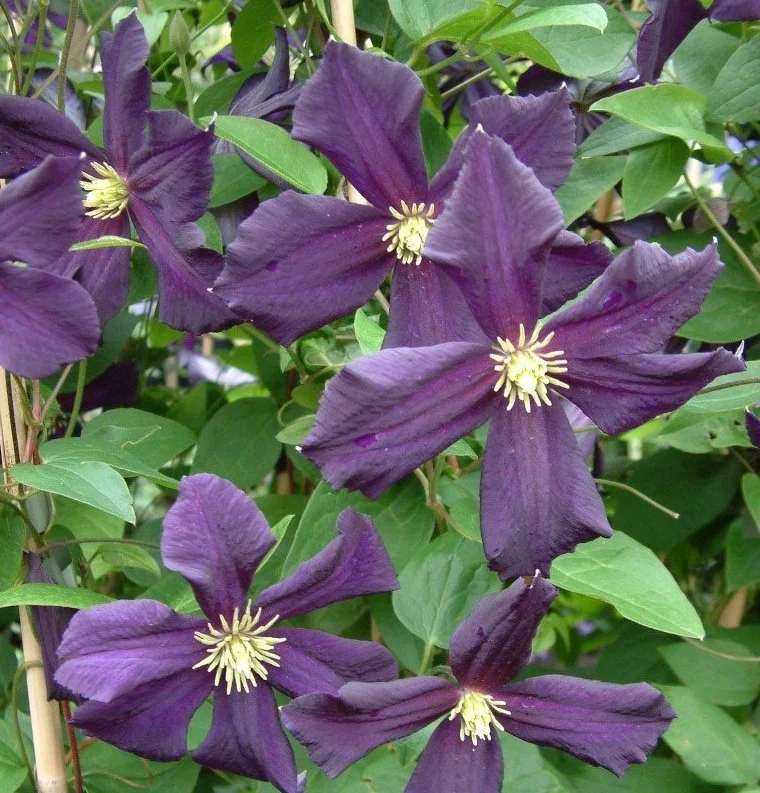
A tall zinc planters and trellis will screen views of the rear boundary, with a succession of pink and purple flowering clematis extending the season from April to October.
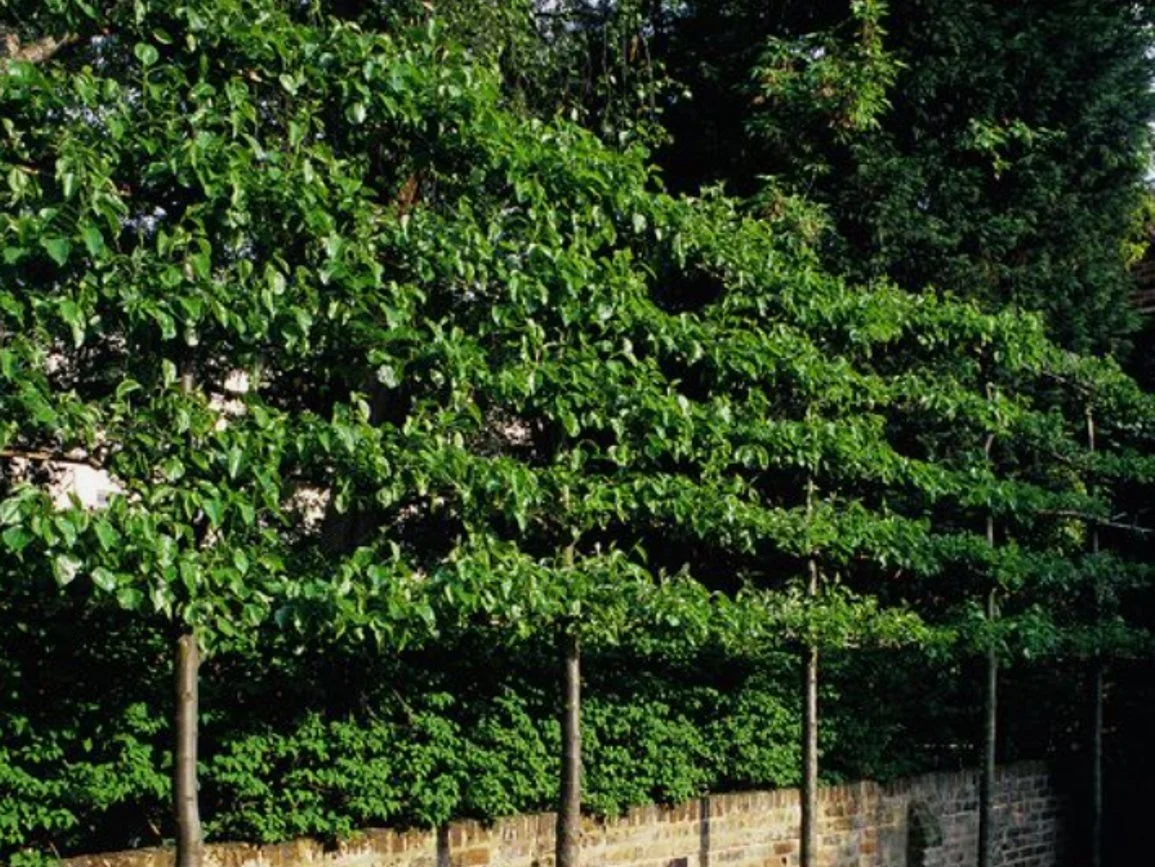
Planted spaces mirror the formal geometry of the house, with formal elegance enhanced by the planting of three pleached hornbeams standing sentry next to the lightwell. These pleached forms are typical of the period and will provide wildlife benefit without blocking light to low level windows.
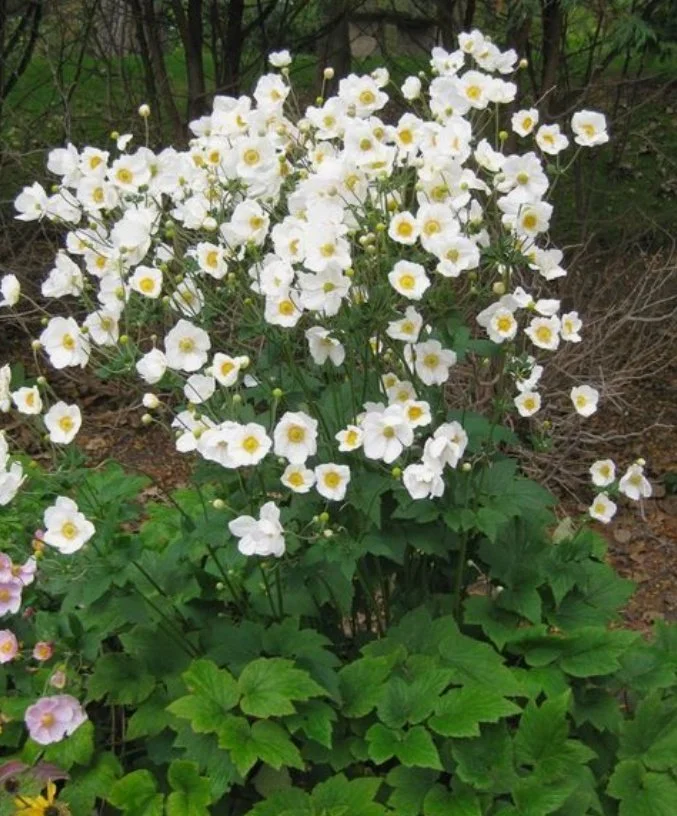
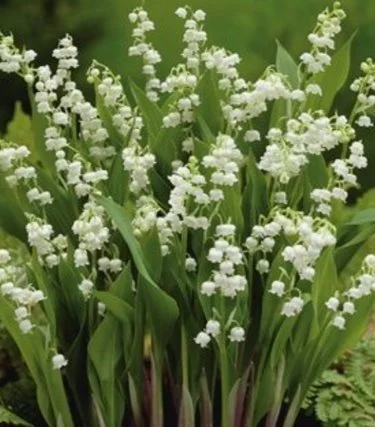
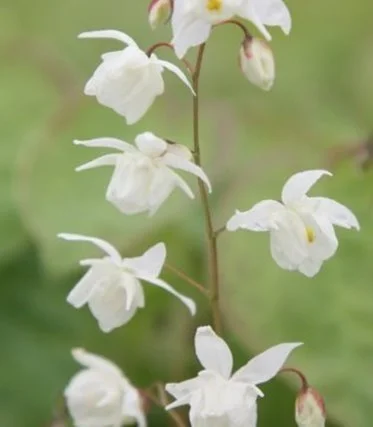
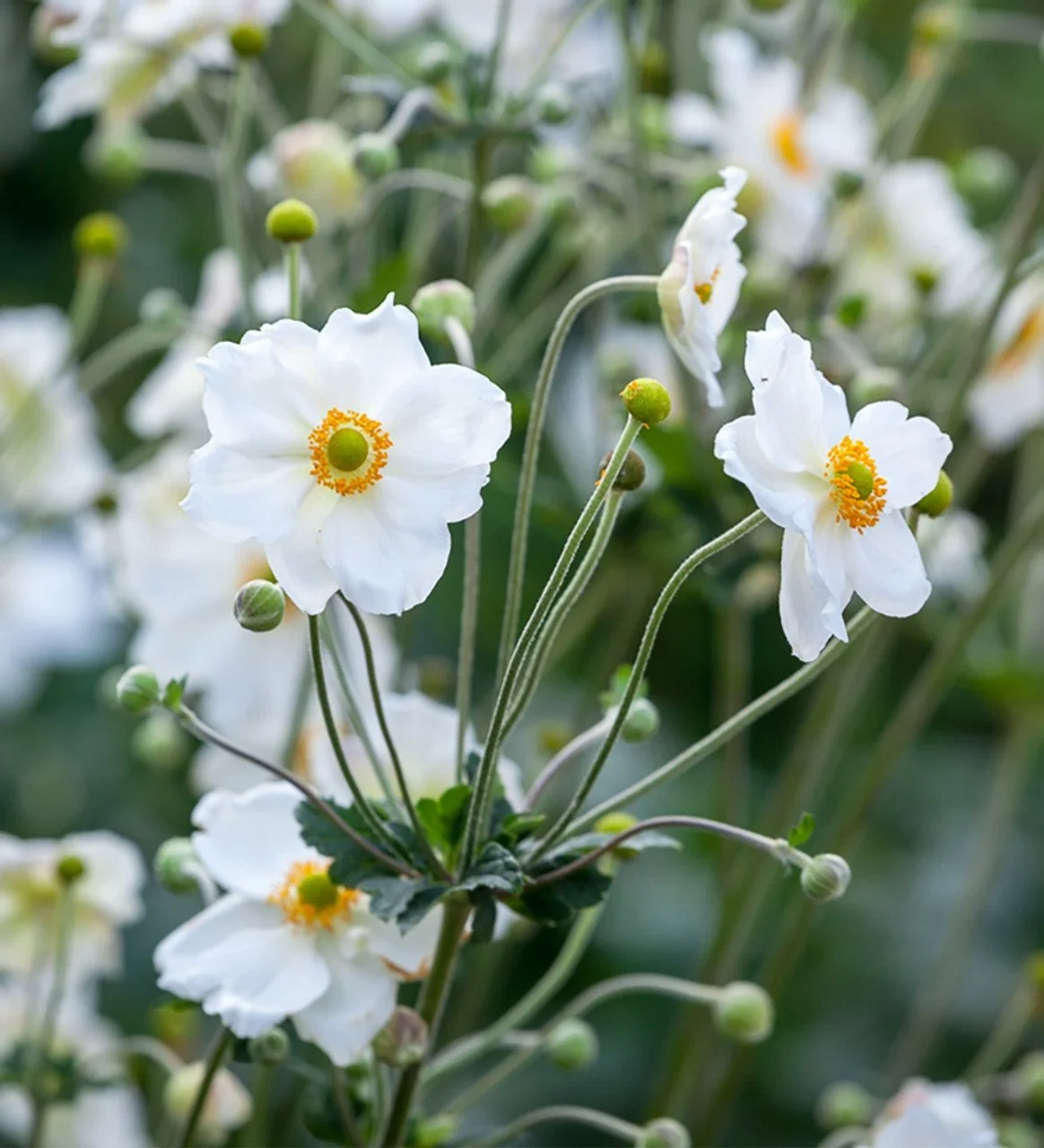
Clipped topiary imparts a sense of symmetry, acting as a foil for ferns and tropical-leaved shrubs and cool white flowering perennials echo the classic vibe of the period.
Rear Lightwells
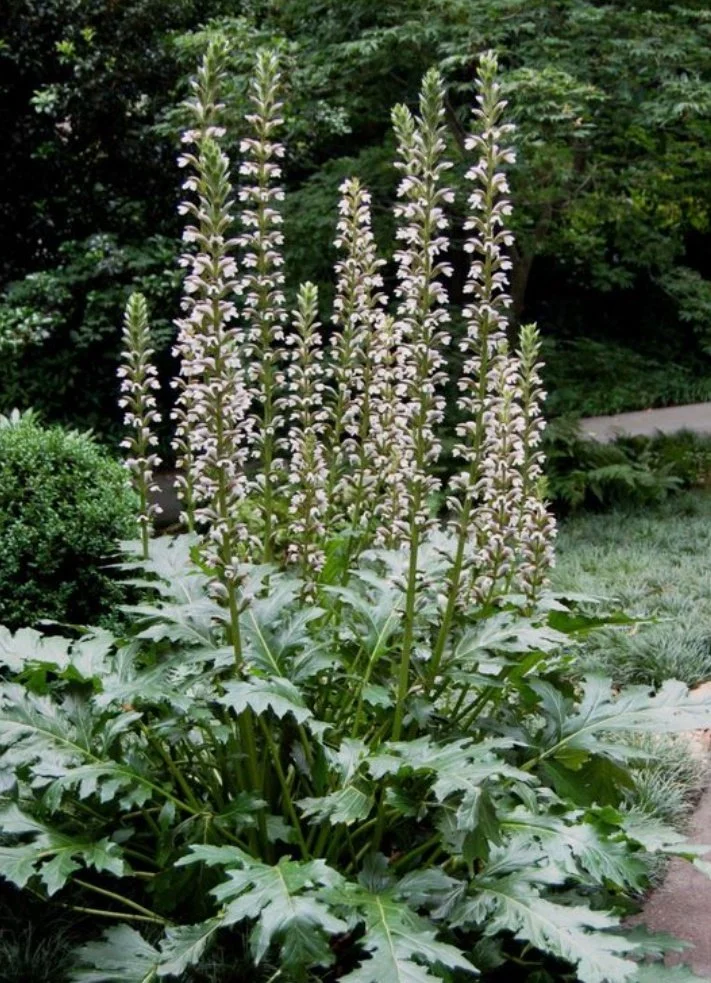
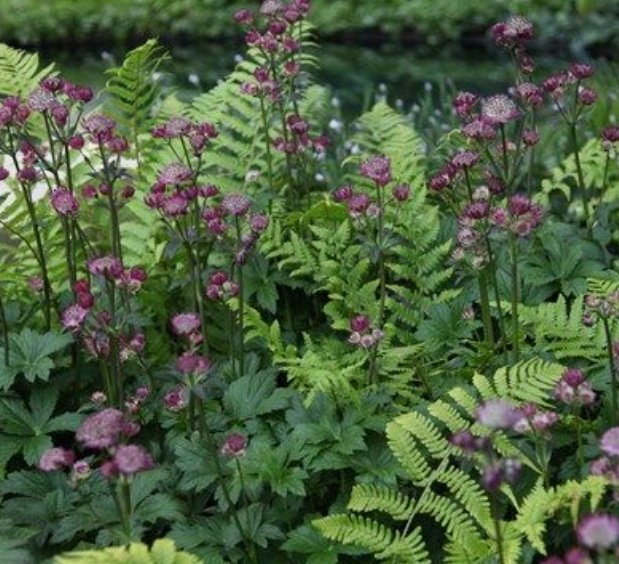
York stone is replicated, and zinc planters enhance views from low level windows with lush planting. Dark perennials contrast with vibrant fronds of ferns, creating enticing views of the lightwell spaces.
Views of the gardens above are framed by a veil of wispy grasses and ferns at the lightwell edge.
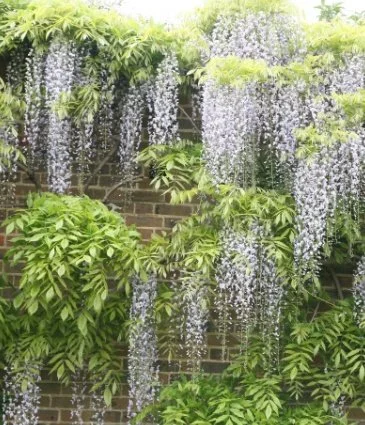
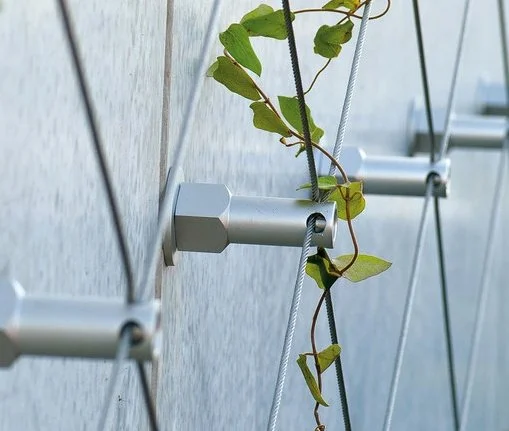
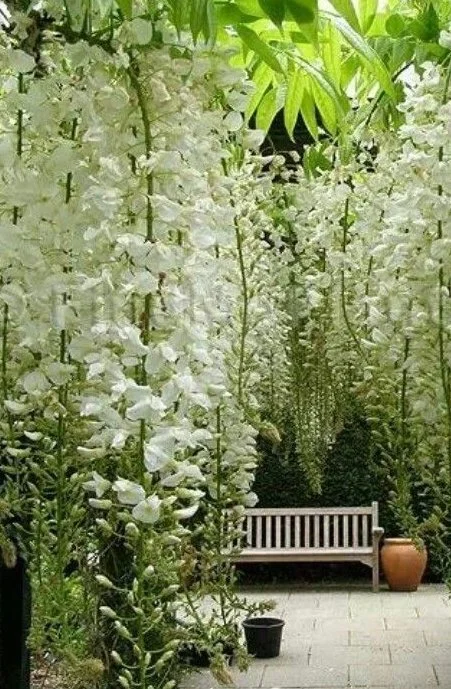
Climbing white wisteria grows on a galvanised net frame suspended off the façade, and complements the period architecture and elegance of the building.
The simple, elegant planting transforms the lifeless, inaccessible space into a cool and elegant retreat.

Front Lightwells
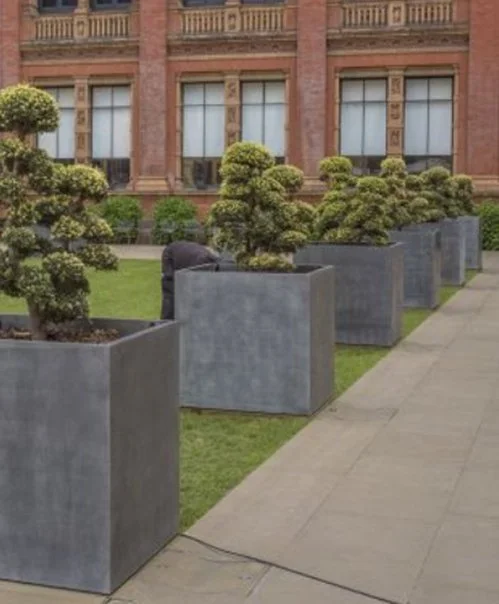
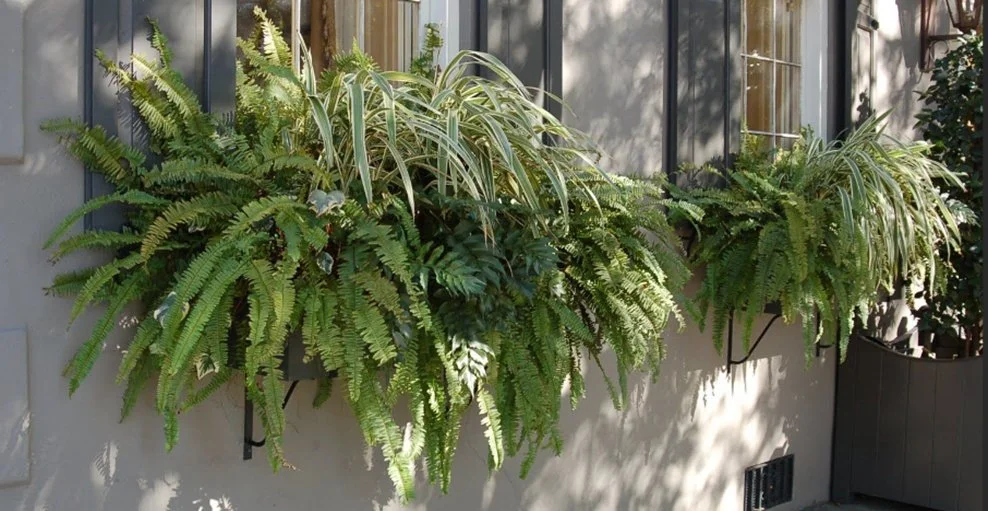
Zinc will be replicated in bespoke window boxes, and a shade-tolerant palette of ferns and grasses will offer a year-round display of vibrant greens and golds.
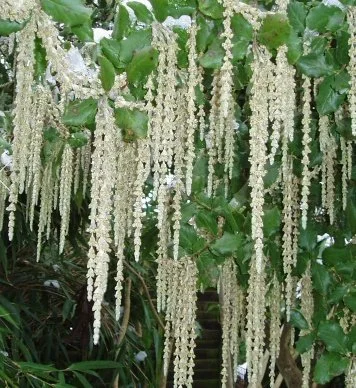
Adjacent to the pavement side, low level planters with metal trellis attached will support Garrya eliptica ‘James Roof’; the Silk Tassel Tree. These foot-long white catkins offer a living tapestry to frame views from lower ground level and will offer unique interest when viewed from above.
The plant is compact when pruned and won’t interfere with the period features or maintenance of the building in their free-standing planters.
York stone hard landscaping complements the period of the building and echoes landscaping in the rear garden spaces.
Lighting & Furniture
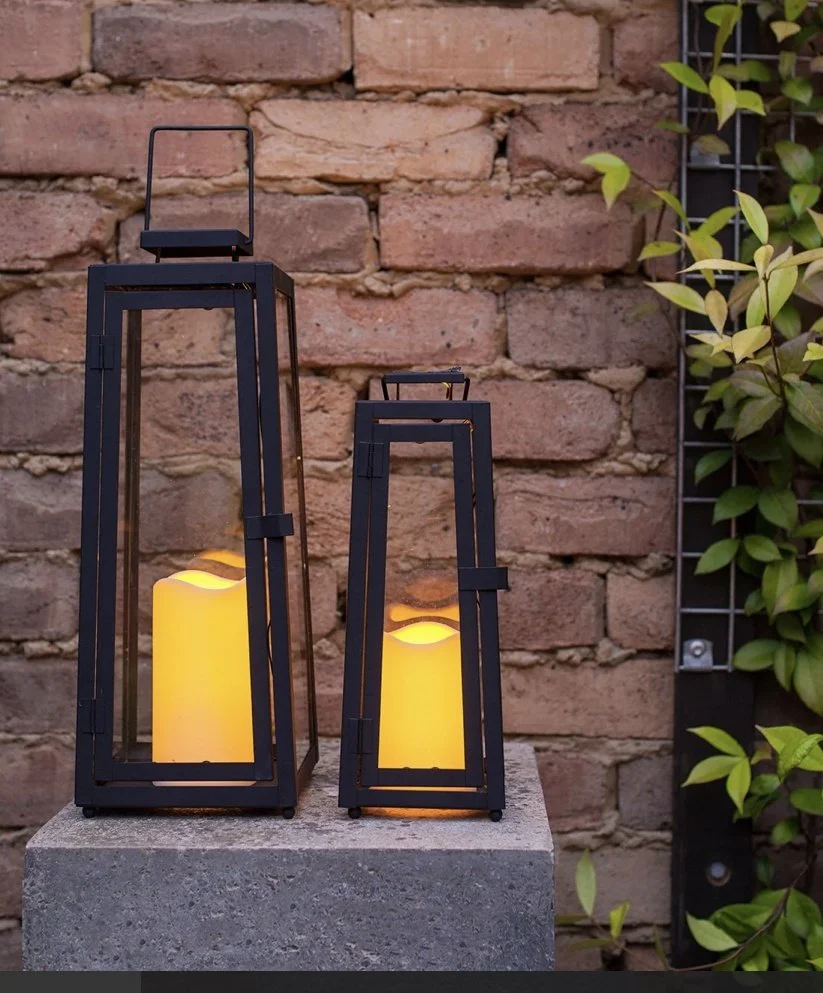
Solar lantern lighting minimizes light pollution for neighbours and for local wildlife, and keeps the natural and sustainable theme.
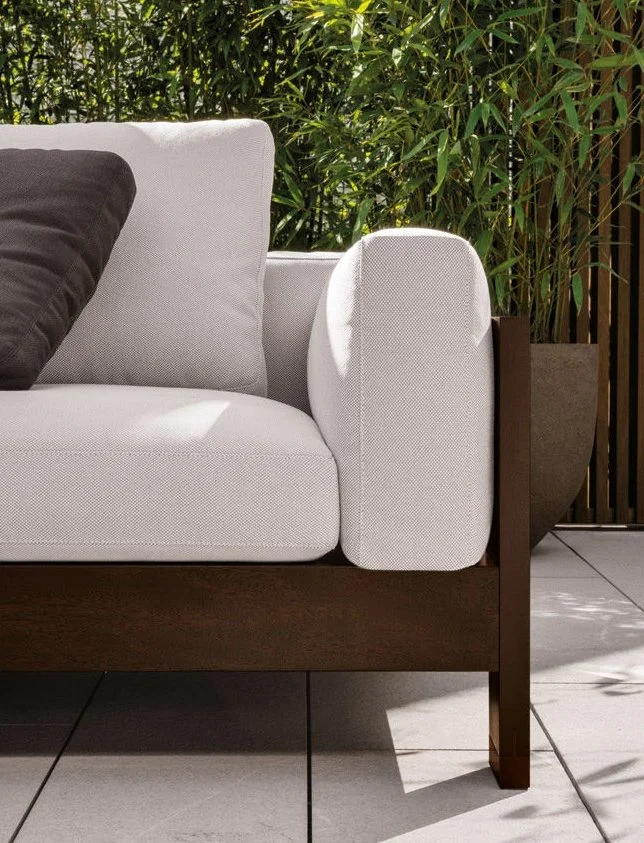
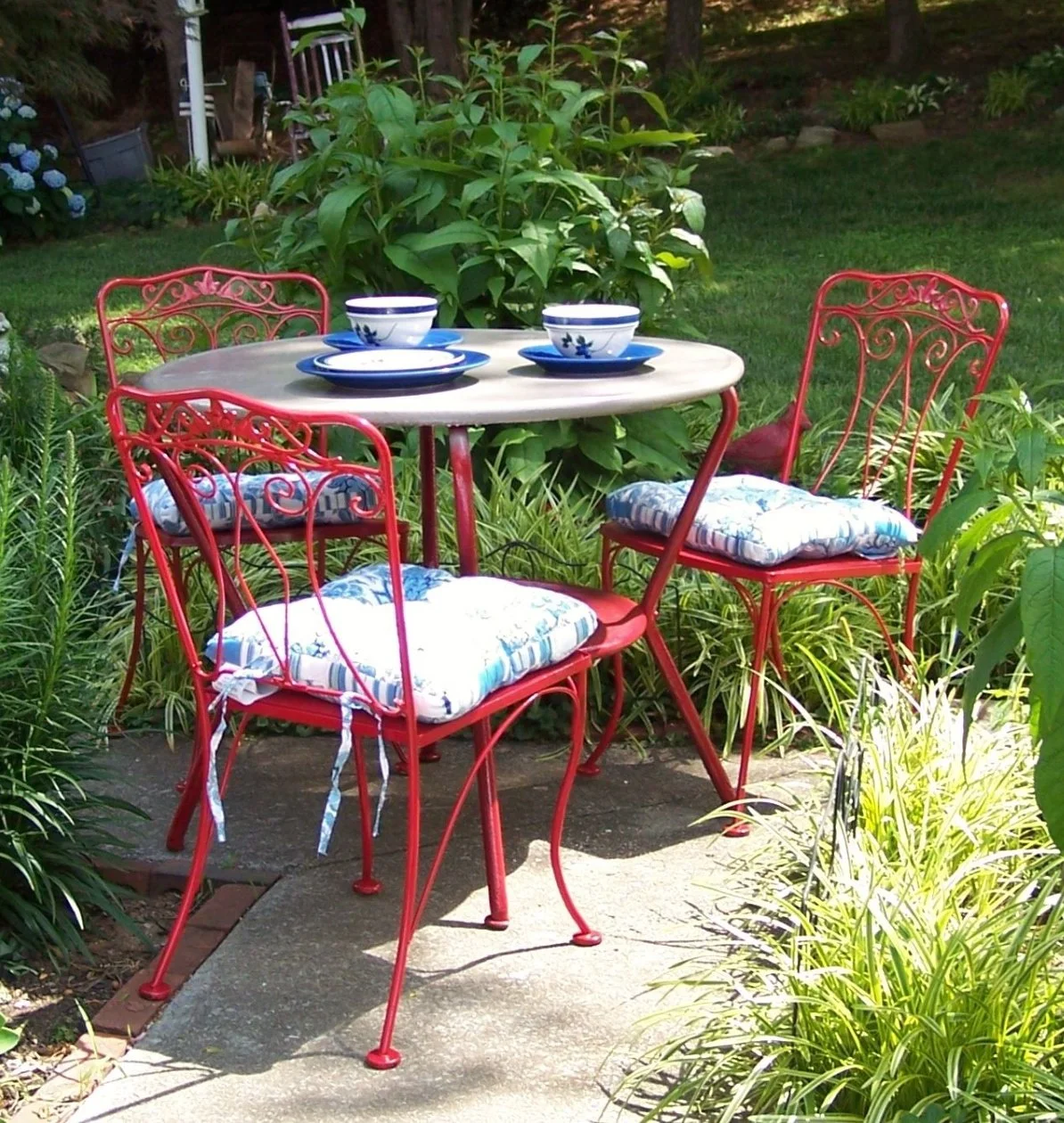
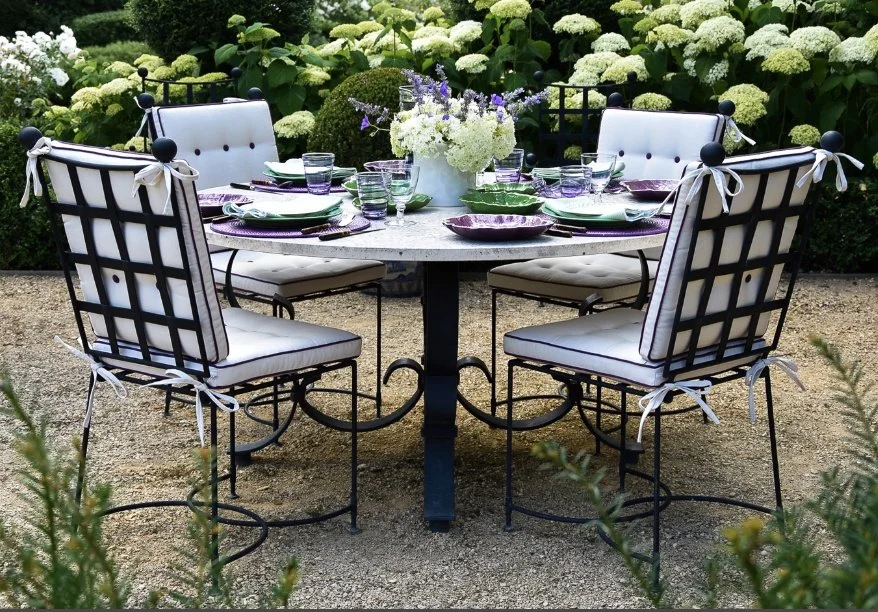
Seating is modular, and different for each garden; garden 4 will have wooden bench seating integral to the zinc planters. Garden 5 will have sustainably sourced wooden garden sofas, soft and inviting and garden 6 will have vibrant bistro-style seating for private dining and entertainment.

Trees
Rhus typhina
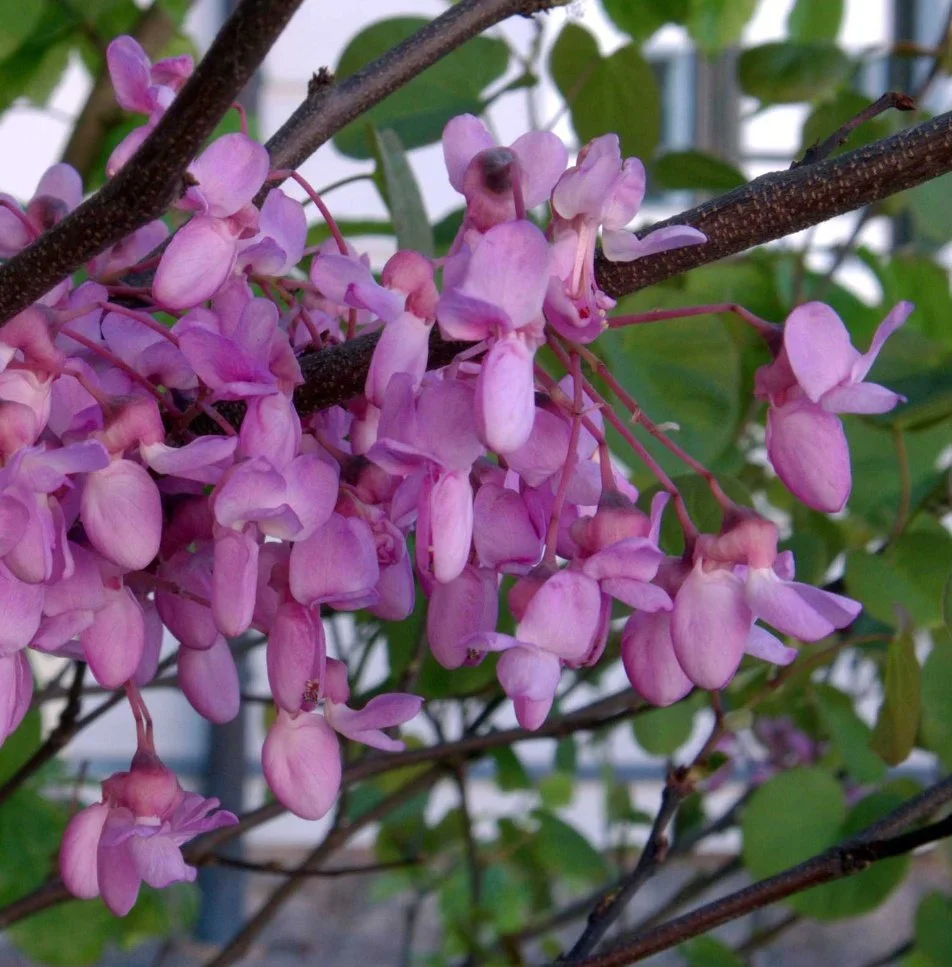
Cercis siliquastrum
Cornus controversa
Betula lenta
Carpinus betulus


Roof Garden Planters
These roof terraces will be inaccessible for guests, but views of these spaces are important in that they frame views of the gardens below and the landscape beyond. Equally, views from the gardens need to consider continuity of materials and plants, therefore the design has replicated use of the zinc planters and York stone, and multi-level planters to maintain the architectural features and views without giving the impression that the planters are dominant.
Low planters adjacent to the railings keep views of the railings and roof gardens open, while higher planters adjacent to the walls and windows offer framed views from inside. Planting is replicated in both roof gardens to maintain the connection with the gardens beyond, and the use of vibrant and unusual perennials draws the eye from the windows.
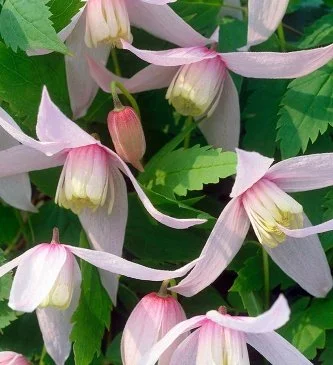
The delicate flowers of Clematis ‘Willy’ and ‘Alionushka’ are supported by tree-standing metal trellises, and their graceful flowers will stand out and surprise when viewed from the gardens below.


Contact our team
If you would like to discuss a project or need expert advice on trees or landscape design, please get in touch.
We are happy to talk through your requirements, answer any initial questions and advise on the most appropriate next steps. You can contact us by phone, email or enquiry form, we will respond as soon as possible.
Tel: 01737 516064 / Mob: 07400 600678
Email: margaret@chloris.uk